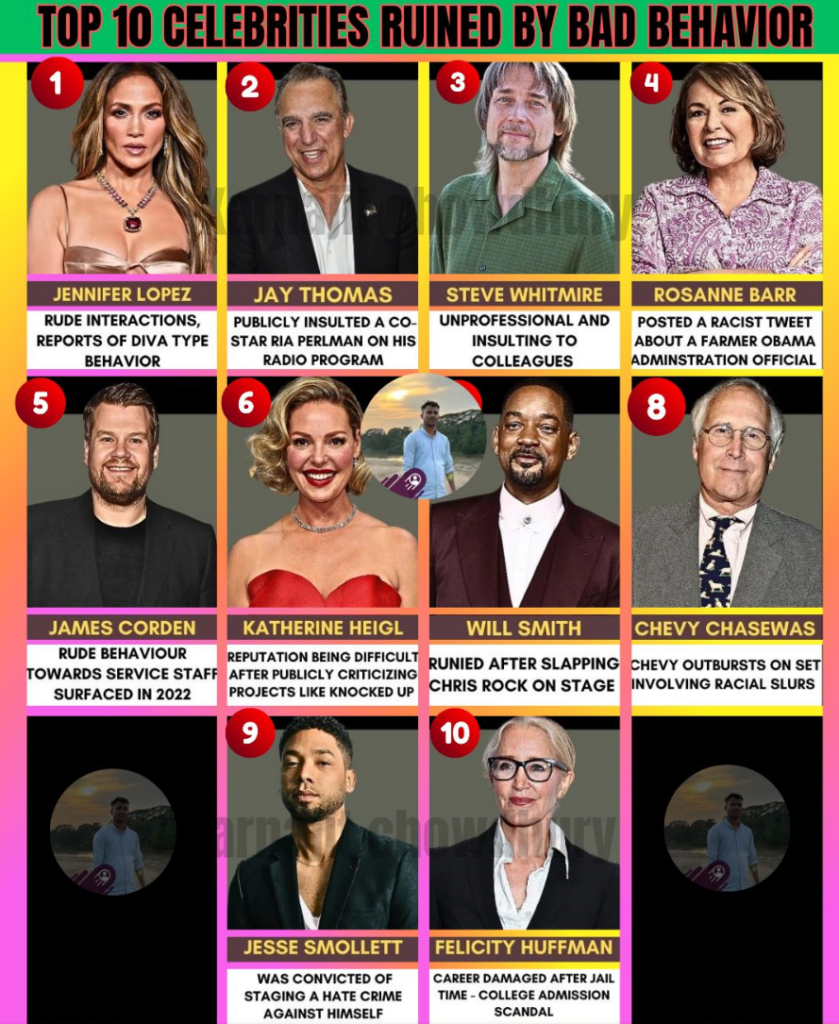
Imagine that you simply say one word, and suddenly death threats appear at your door and you become “cancelled.” There will be an enormous amount of backlash, unfollowing on social media, all based on comments you said, This experience has become a lot more relevant. At the start of this societal backlash (aka Cancel culture) celebrities were getting canceled for things like saying the n-word or going against LGBTQ+ rights, and as a result people would boycott them and unfollow them. More recently, this viewpoint has shifted – it’s a lot more focused on personally attacking the celebrities than boycotting them for your own self-worth.
A lot of people act in ways that make them feel good about themselves and on the idea that they are a “good” person in general. This can be just holding the door for someone, or not going to a coffee shop that is homophobic, while keeping it to themselves so they can feel good. This eventually gets to the point of becoming more hypocritical and superficial. People have made their whole personality or social media profile centered around the boycotting and hating of that one company, thing, or celebrity, and will tell everyone else that they are worse people for not doing that same thing. This is called virtue signalling. It takes the meaning out of boycotting in general. It’s no longer about pushing for systemic change – it has become a performance, or a way to broadcast one’s own moral superiority while attacking an individual’s basic self-worth. Celebrities who speak their mind have been targeted by this attack and hating one celebrity for their beliefs isn’t going to change the world; it won’t even help your own self-worth if you advertise it superficially.
There is a whole other component of cancel culture and general backlash that involves targeted attacks on celebrities. Celebrities are now getting sent death threats and explicit messages for supporting what they believe in or a post on a social media platform, and not only does this affect their personal health but it is also a reflection of modern society as a whole. In order to make ourselves feel better about ourselves, we don’t self-reflect or improve. Instead, we attack others for the “bad” things they are doing or saying, then make a turmoil and competition around who is the better person.
There is additionally a large show of political values in cancel culture. According to a survey done by Cornell University, both Democrats and Republicans believe that cancel culture is real, and majorly Democrats started it, while Republicans opposed it. However, Democrats have more recently turned against “cancelling” people with ideas that are unpopular because of their belief in free speech. Many Republicans have also shifted their view, and according to U.S. News, have used cancel culture to “outlaw access to essential freedoms of speech, expression and information,” especially when it comes to education.” Both parties have been accused of using this to silence voices that they disagree with, causing more arguments and controversies. The responses have been centered on accountability – people need to understand how their actions and voices affect the public. This only goes to show how cancelling people has been used to target people with varying opinions, and has come a long way from a way to prevent offensive things from being said. Cancel culture has always been political, and has been used to stop people’s free speech in either party, proving its toxicity. Even people who don’t use cancel culture in political ways have turned to virtue signalling and personal attacks on celebrities, disguising it as self-improvement.
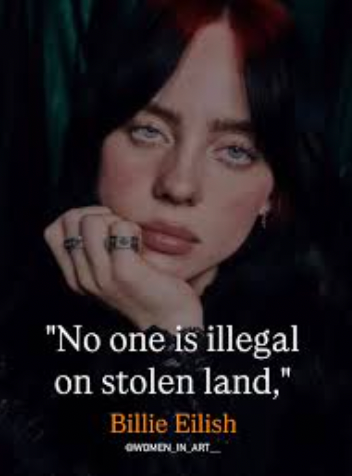
At the 2026 Grammy Awards, Billie Eilish turned her acceptance speech for Song of the Year into a political critique. She stated that “No one is illegal on stolen land. F**k ICE.” While in the past some people might have cancelled her by boycotting her music, the response instead was a lot more aggressive and personalized. Critics didn’t just disagree with her stance on immigration; they targeted her personal life, pointing to her $3 million LA mansion as evidence of hypocrisy. The backlash escalated into what her brother, Finneas, described as a targeted campaign of harassment by “powerful men” intended to silence a young woman. This is not the first time that Billie Eilish has received backlash for one of her comments though. In a “Power of Women” article in Variety she made a comment about how “Nobody ever says a thing about men’s bodies,” in society they’re accepted for whatever body type they may have, while women just aren’t. In response she received a lot of criticism and general disagreement, on the other hand many fans jumped to her defense. It’s more personal and has turned cancel culture into a thing to keep confidentially and silence people for their opinions, instead of just boycotting them so you feel like you are becoming a better person in some way.
This trend has blended into the sports world, specifically during the 2026 Winter Olympics. American athletes like freestyle skier Hunter Hess and figure skater Amber Glenn found that the “shut up and play” mandate has reached a fever pitch.
Hunter Hess, after expressing mixed emotions to the NY Times about representing the U.S. during the current political climate, was labeled a “real loser” by the President and faced a flood of online vitriol.
Amber Glenn, the gold medalist for figure skating, according to the NY Post Glenn reported receiving a “scary amount of hate and threats” after simply mentioning that the LGBTQ+ community is facing a “hard time” back home.
Unlike the boycotts of the past, where people might stop watching a show or buying a brand, these athletes faced death threats and digital doxxing. The goal of the modern “canceling” anger is no longer just to stop someone’s income, but to make their daily life unlivable.
Interviews with youth revealed a growing skepticism about digital warfare. A sophomore at Stuyvesant, dismissed the modern “Billie Eilish style” backlash as “toxic” and counterproductive, arguing that turning political opposition into a dogma only makes the public “question legitimacy” of the cause itself. Rather than seeing these boycotts as progress, they viewed these politicians singling out individuals as “silly and childish,” noting that leadership should focus on systemic issues rather than a single person’s actions.
This perspective suggests that for the younger generation, the moral high ground of “being a better person” through a boycott is fake, such stances “do absolutely nothing, especially to a large company.” Instead of viewing celebrity silence as a lack of heart, they see it as a logical survival tactic, as speaking out often only matters to those who “already agree with them.”
A sophomore from Beacon High School, held a firmer line on celebrity responsibility than others. They argued that silence from a favorite artist is a “disappointing” display of indifference toward modern atrocities. She said that she “thinks that if my favorite artist stays silent, it acts as a form of complacency. I agree that social media is critical, but if you actually care about speaking up, you shouldn’t put up a fake image or stay silent about issues.” Proving their point that it’s a failure of character. In an era where trust in politicians is at an all-time low, they believe that “independent thought” and vocal advocacy are the only ways for celebrities to remain authentic.
In a society of cancel culture and personal warfare, the real challenge is finding a way to demand accountability without losing our collective empathy.