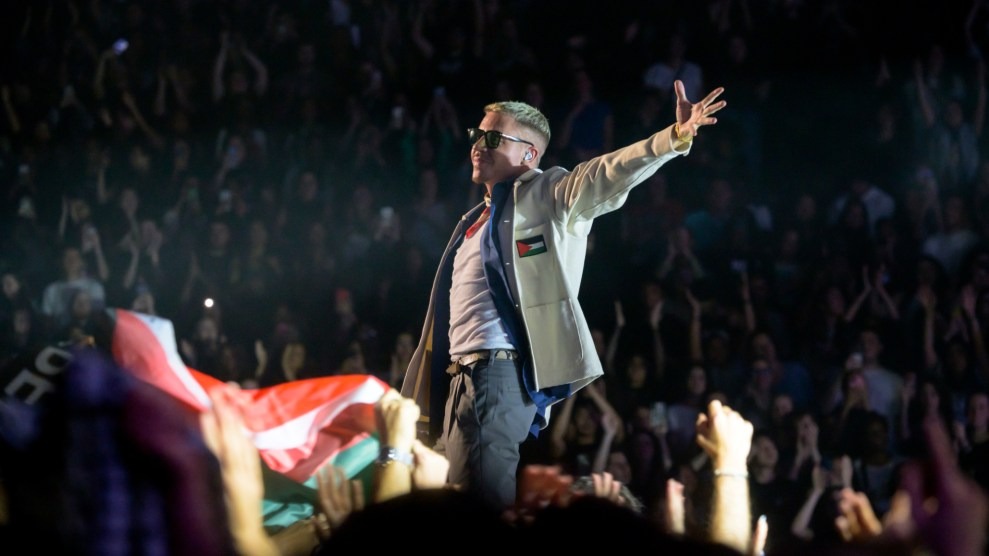
What was planned as a high profile tour quickly developed into a wider music industry dispute over free expression, political speech, and commercial performance spaces. When Ed Sheeran included longtime collaborator Macklemore to his tour, audiences anticipated joint pop and hip hop hits. Instead, the partnership ended very abruptly following disagreements over onstage commentary and external pushback.
The controversy began when Macklemore addressed attendees during his opening set, using the platform to speak directly on current events. Explaining his perspective to the crowd, the Seattle rapper stated that he “wanted to stand up here on stages and stadiums across America and say two words that are very near and dear to my heart: Free Palestine!” “I said Free Palestine! I want those words to be loud and clear so people all the way in Gaza and the clear west bank know that we have not forgotten about them.”
Macklemore then performed his protest single, “Hind’s Hall.” According to the New York Times, Macklemore also showed the song’s music video which features clips from Gaza and U.S. student protests.
The performance prompted pushback from advocacy groups, fellow musicians, and venue operators. As reported by Forbes, “The Israeli American Council petitioned Sheeran to remove Macklemore from his tour. Singers P!nk and Boy George went to social media to call out the rapper’s comments.”
Venue leadership also intervened. Gillette Stadium owner Robert Kraft barred the rapper from appearing at the Foxborough venue. Facing logistical constraints and mounting external pressure, Sheeran’s production team confirmed that Macklemore would no longer appear as an opening act for the remainder of the dates.
The tour split and controversy highlight two models for mainstream entertainment. Statements associated with Sheeran;s tour framed stadiums and concerts as neutral, unifying spaces meant for wide audiences, while maintaining that the tour was not seeking to stifle humanitarian concern. Macklemore, meanwhile, maintained through public channels that artists have a civic obligation to address global crises regardless of commercial consequences.
The departure triggered further adjustments, as fellow tour openers Aaron Rowe and Finneas (Billie Eilish’s brother) also withdrew from their remaining appearances following the decision.
When asked how she felt about the tour management and venues removing Macklemore from future dates, interviewee Riya Acharya (Y1) called the decision “unjustified and unfair” She emphasized that the rapper was using his platform to share his beliefs, arguing that “punishing Macklemore for his expression of his views was entirely uncalled for.”
Riya also stated that she thinks “this incident will make major touring artists more cautious about opening acts. Since Macklemore’s removal caused public controversy and affected other performers on the tour, artists and management may worry about similar situations happening again. Raising awareness is not an issue nor should it be treated like one.”
Another student Rafia Hossain (Y1) shared that support, stating that she “highly respect[s] Macklemore for using his platform to advocate for human rights and ongoing conflicts.” For Rafia, an artist’s role goes beyond entertainment.
“High-profile musicians 100% have the responsibility to address global human rights issues on stage,” Rafia argued. “Just because something isn’t happening to you doesn’t mean that it doesn’t matter. Everything that happens in this world affects us one way or another. These musicians and celebrities have an influential platform and can reach thousands of people unlike the average person… There is so much corruption in our world that people should be aware of and it is only those with a platform like musicians that can make it better known.”
The clash between Sheeran and Macklemore reflects an evolving dynamic across modern touring productions. While major stadiums rely on broad appeal and major corporate sponsorship, artists are using live sets to address political conflicts and social issues more and more. As venues, sponsors and touring teams try to navigate these tensions, the event marks an important case on how political advocacy and mainstream performance interact.
Ultimately, the fallout from Sheeran’s tour leaves the live music industry at a crossroads. As audiences and artists increasingly debate whether the stage should serve as an escape from reality or a platform for advocacy, future tours will face pressure to decide where entertainment ends and activism begins.